
Aquaculture Surpasses Wild Catch as Global Demand for Farmed Seafood Soars
By Blue Economy Insights
As wild fish stocks decline and global seafood demand rises, aquaculture is becoming the dominant source of seafood in diets around the world. According to the United Nations Food and Agriculture Organization (FAO), nearly 99 million tonnes of aquatic animals were farmed globally in 2023, including fish, mollusks such as oysters and mussels, and crustaceans like prawns. This represents a fivefold increase compared to production levels from 30 years ago.
Since 2022, the volume of farmed seafood has been steadily surpassing wild-caught seafood as the primary source worldwide, although growth patterns vary significantly by species.
Species Selection and Production Trends
In 2023, carp and tilapia were the top-selling species and were primarily sourced from freshwater aquaculture. Other commonly consumed species, such as herring, continue to come exclusively from ocean fishing due to biological and economic constraints.
“For many fish farmers, the choice of species depends on growth speed and simplicity of care,” explained Thierry Laugier, a researcher at Ifremer, France’s national institute for ocean science and technology. “Producers favor species that are easier to manage throughout the life cycle.”
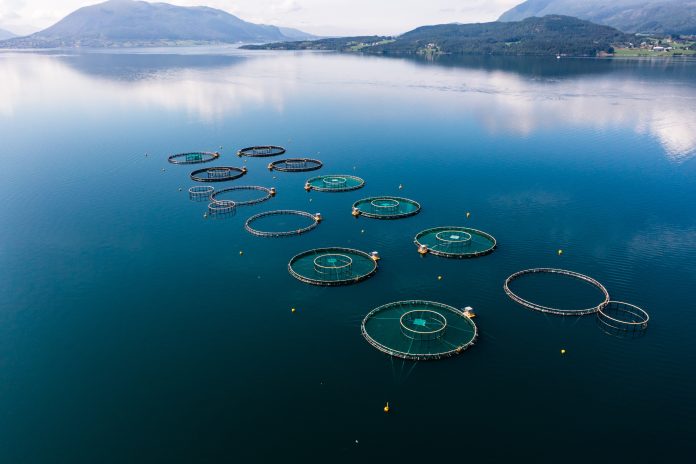
One of the most prominent farmed species in Europe, Atlantic salmon, reached 1.9 million tonnes in sales in 2023, with 99 percent of that total coming from aquaculture. Farmers have developed methods to control breeding cycles, including the use of hormones to trigger reproduction, allowing greater control over production.
Asia at the Forefront
Asia continues to lead the world in aquaculture, accounting for 92 percent of the 136 million tonnes of aquatic animals and plants raised under controlled conditions in 2023. This leadership is deeply rooted in regional history and long-standing aquaculture practices.
“For carp, the dominance of Asia is based on centuries of tradition,” Laugier said. “Carp farming has been practiced for thousands of years in many parts of the continent.”
On the other hand, marine species such as sardines and herring are still only sourced through wild capture. According to Laugier, their slow growth rates, requiring up to two years to reach full size, make them less suitable for aquaculture at scale.
The Quiet Rise of Seaweed
Though still relatively unknown in many Western markets, seaweed makes up nearly one-third of global aquaculture production. Cultivation reached 38 million tonnes in 2023, largely driven by producers in Asia. This marks a nearly 200 percent increase in output over the past 20 years.
Seaweed is primarily used in industrial applications, including food stabilizers, pharmaceuticals, and cosmetics. However, it is also gaining recognition for its environmental benefits.
“Seaweed absorbs carbon dioxide, nitrogen, and certain pollutants from the water,” Laugier noted. “From an ecological standpoint, cultivating macroalgae is far more beneficial than farming salmon.”
As aquaculture continues to expand, it is reshaping how the world produces food, addresses overfishing, and manages marine resources. The coming years will require balancing industry growth with ecological sustainability and species diversity.