
Aquaculture’s $1.5 Trillion Opportunity: Feeding the Future, Sustaining the Planet
By Blue Economy Insights
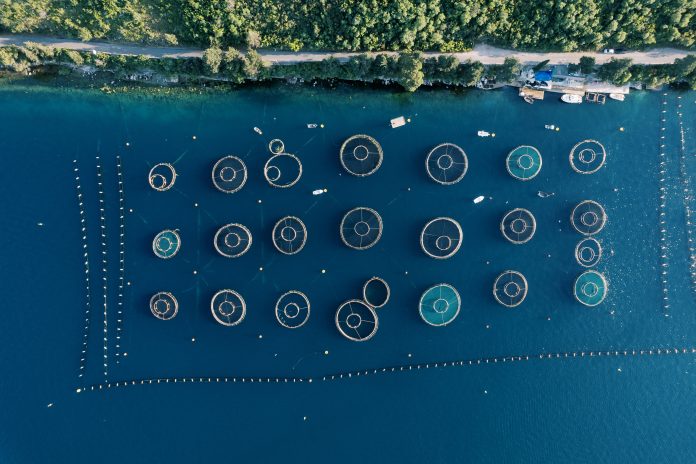
Aquaculture has rapidly become the fastest-growing source of food production in the world. It now supplies nearly 60 percent of global seafood and plays a vital role in feeding a rising population, reducing pressure on overfished wild stocks, and cutting emissions from the global food system.
As global demand for seafood continues to rise, sustainable aquaculture is stepping into a critical role. It strengthens food security, drives economic development, and contributes to climate resilience by offering a lower carbon footprint compared to traditional livestock.
A recent global report by The World Bank and WWF positions aquaculture as one of the most promising sectors for building a more sustainable food system over the next 25 years. It identifies a $1.5 trillion investment opportunity between now and 2050, which could generate up to 22 million new jobs. These new jobs could provide meaningful economic opportunities for youth, rural communities, and women, helping to reduce rural-to-urban migration and support more inclusive growth.
Global Strengths, Local Leaders
Around the world, several countries are already demonstrating the potential of aquaculture through strong domestic and export strategies.
- Ecuador is a leader in global shrimp exports.
- Chile is renowned for its salmon production.
- Vietnam supplies much of the world’s Pangasius.
- China and Bangladesh focus heavily on meeting domestic demand, producing key species such as carp and Black Tiger Shrimp.
These examples show how aquaculture can serve different market needs while contributing to national and global food systems.
Aquaculture as a Mainstream Investment Strategy
Once considered a niche sector, aquaculture is now becoming a recognized avenue for mainstream investment. It offers diversification, long-term return potential, and aligns with environmental, social, and governance goals.
Two key growth scenarios have emerged. A business-as-usual path would add 60 million metric tons of annual production by 2050. However, a more ambitious path, driven by targeted investment and innovation could deliver up to 97 million metric tons of additional annual production in the same timeframe. Achieving this higher growth will require support for small-scale farmers to adopt improved practices and scale their operations efficiently.
The Role of Finance in Scaling Impact
The report highlights the importance of finance in unlocking aquaculture’s full potential. Governments, development finance institutions, private investors, and philanthropies all have critical roles to play in reducing investment risk and helping producers grow sustainably.
Several financial innovations are already making an impact. Sustainability-linked loans reward producers who meet environmental performance goals. Blue bonds are channeling long-term capital into marine and coastal initiatives. Blended finance models are enabling high-impact projects to secure private capital by reducing downside exposure.
These tools are especially important in emerging markets, where access to capital and technical support can make or break a farm’s ability to grow.
For more information, find the original report listed below :