
Old Ships, New Purpose: China Turns Scrapped Bulkers into Fish Farms
By Blue Economy Insights
A new chapter in sustainable maritime innovation has begun off the coast of China. An aging bulk carrier, once destined for the scrapyard, has been transformed into the world’s first large oceangoing aquaculture ship. This project could change the trajectory for thousands of vessels nearing the end of their service lives.
Originally built in 1996, the Zhe Dai Yu Yang 60001 has been retrofitted and delivered by Shanhaiguan Shipbuilding Industry Co, a subsidiary of China State Shipbuilding Corp. The newly converted vessel marks a significant step forward in the fusion of marine technology and regenerative aquaculture.
The initiative is led by Senhai Muge (Zhejiang) Marine Technology, which also plans to convert three additional capesize bulk carriers into similar aquaculture vessels. The implications are far-reaching. Estimates suggest that more than 1,500 aging ships in China could be repurposed for alternative industries, with aquaculture leading the way.
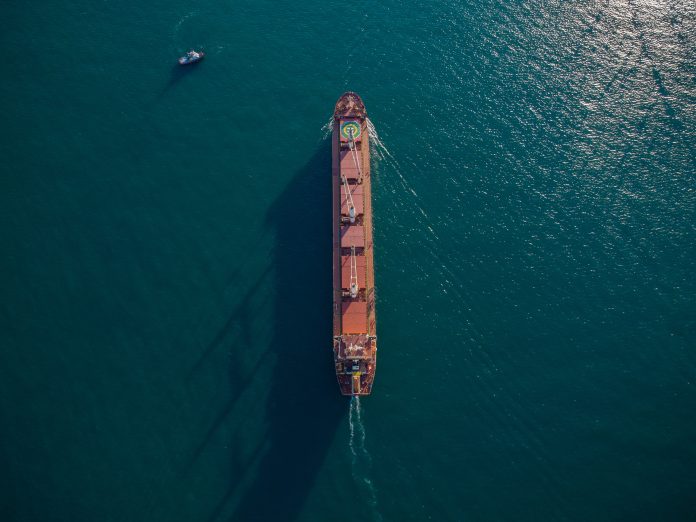
Measuring 225 meters in length, the Zhe Dai Yu Yang 60001 is now equipped with seven onboard breeding chambers, integrated into what were once its cargo hatches. Engineers modified the hull to include new buoyancy openings and installed smart feeding mechanisms. The vessel can move up to 80,000 tonnes of seawater between its internal tanks and the open sea, functioning as a self-sustaining “mobile ocean ranch.”
The ship can support a crew of 30 and is expected to harvest between 2,280 and 2,800 tonnes of fish annually. Species like salmon are among those expected to be cultivated. Operations will primarily take place in the Yellow Sea and East China Sea.
This pioneering retrofit offers a cost-effective solution for building out aquaculture infrastructure at scale. It also reduces the carbon footprint and material waste typically associated with shipbreaking. The project sets a compelling precedent for maritime and blue economy stakeholders looking for circular approaches to fleet modernization.
Shanhaiguan Shipbuilding, which managed the conversion, continues to expand its global presence with a strong orderbook of 41 tankers and bulk carriers for clients such as Dynacom Tankers, Cido Shipping, and Union Maritime. Deliveries are scheduled through 2029.
As ocean farming gains momentum in the global race to meet sustainable food demands, China’s mobile aquaculture ship represents a bold and scalable innovation. It combines legacy maritime assets with next-generation food production and points toward a more regenerative future on the water.
Blue Economy Insights will continue tracking developments in aquaculture technology, vessel conversions, and the broader rise of regenerative ocean industries.