

Maine Launches Registered Apprenticeship to Strengthen Aquaculture Workforce
By Blue Economy Insights
Maine is leading the way in solving one of aquaculture’s biggest challenges: workforce development. With farms expanding across its coastline, the state has launched the nation’s first and only registered aquaculture apprenticeship program. The goal is simple, train and retain the next generation of ocean farmers with real, hands-on experience.
Organized by the Maine Aquaculture Association, in partnership with workforce and education groups, the program places apprentices on commercial farms. Each participant completes 2,000 hours of paid work over 12 to 18 months and earns a certification recognized by the U.S. Department of Labor. This credential gives graduates the flexibility to work anywhere in the country.
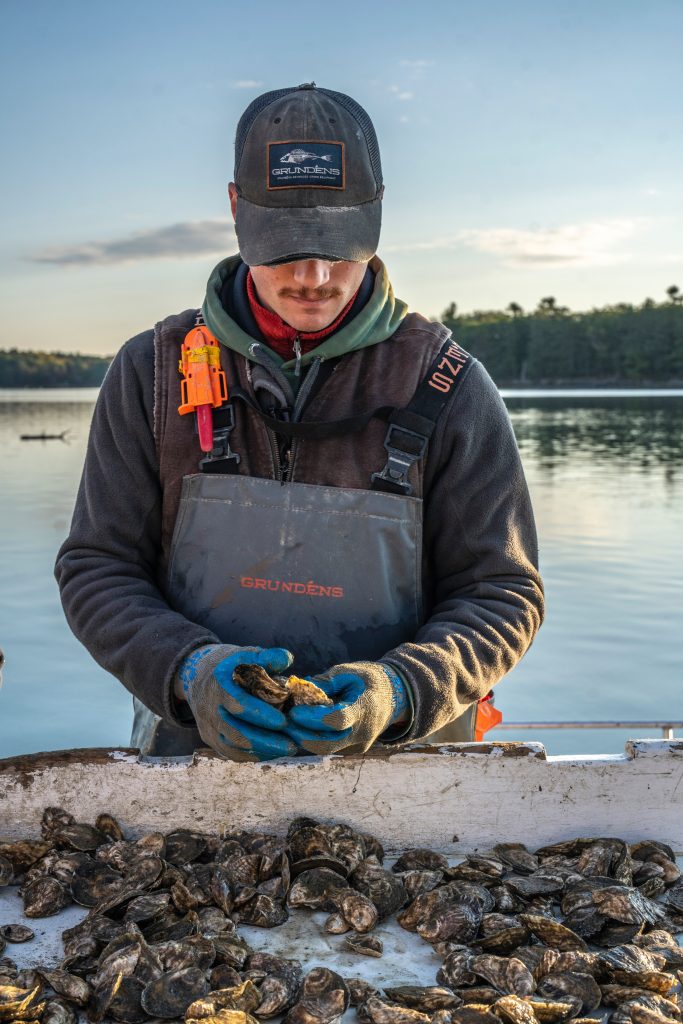
The program is already making an impact. Applications have doubled since it launched, and apprentices are not just learning how to harvest oysters or seaweed. They are managing sales, tracking inventory, solving operational issues, and contributing meaningfully to their farms. Employers gain reliable, trained team members who bring leadership and long-term commitment.
Participants earn an average of $19 per hour, with additional stipends for professional development, training programs, and community building. For farm owners like Max Burtis of Bombazine Oyster Company, the program has created space to focus on growing the business, applying for grants, and planning for the future.
Challenges remain. Seasonal slowdowns and limited wages make long-term retention difficult, and many apprentices eventually transition to other careers. However, program leaders hope that as farms become more profitable, they can offer better pay and benefits like health coverage and time off to keep skilled workers in the field.
Despite these hurdles, Maine’s aquaculture apprenticeship program is being viewed as a national model. With growing interest from other states, it demonstrates that aquaculture can offer more than temporary jobs. With the right training and support, it can become a long-term, purpose-driven career path for the next generation.